
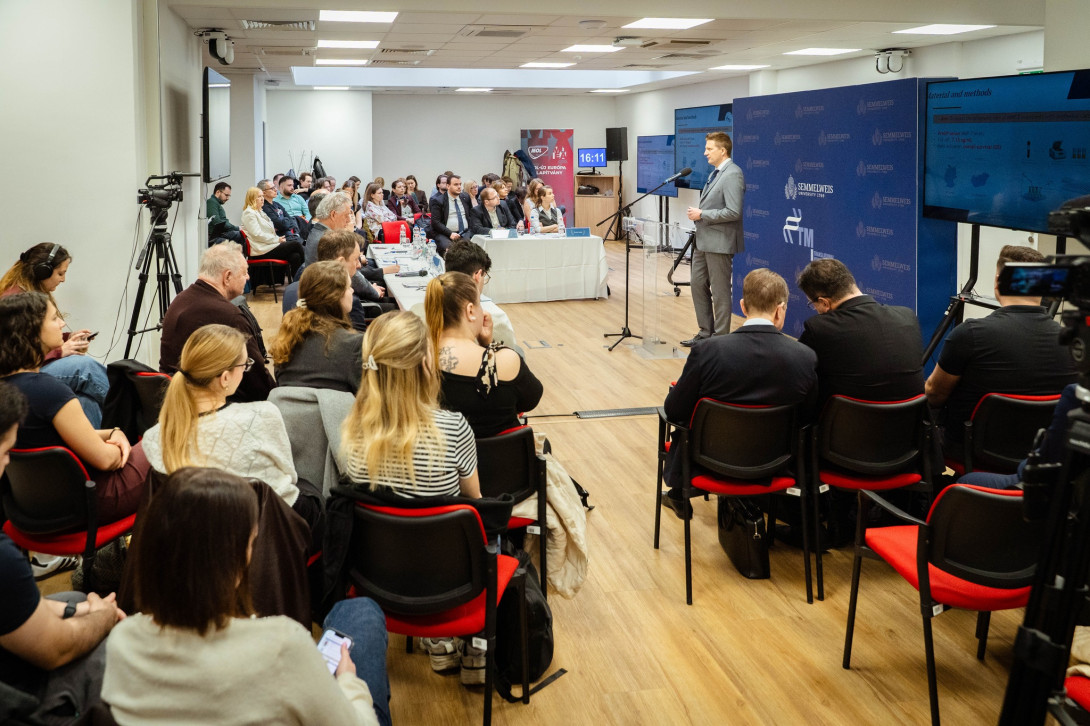
In April 2026, eighteen candidates defended their Ph.D. theses at a three-day event held by the Centre for Translational Medicine. The presentations were evaluated by a committee including professors from Hungarian and international universities, and the results presented had already been published in top-tier Q1 and D1 journals. Three candidates had even authored two D1 publications each.
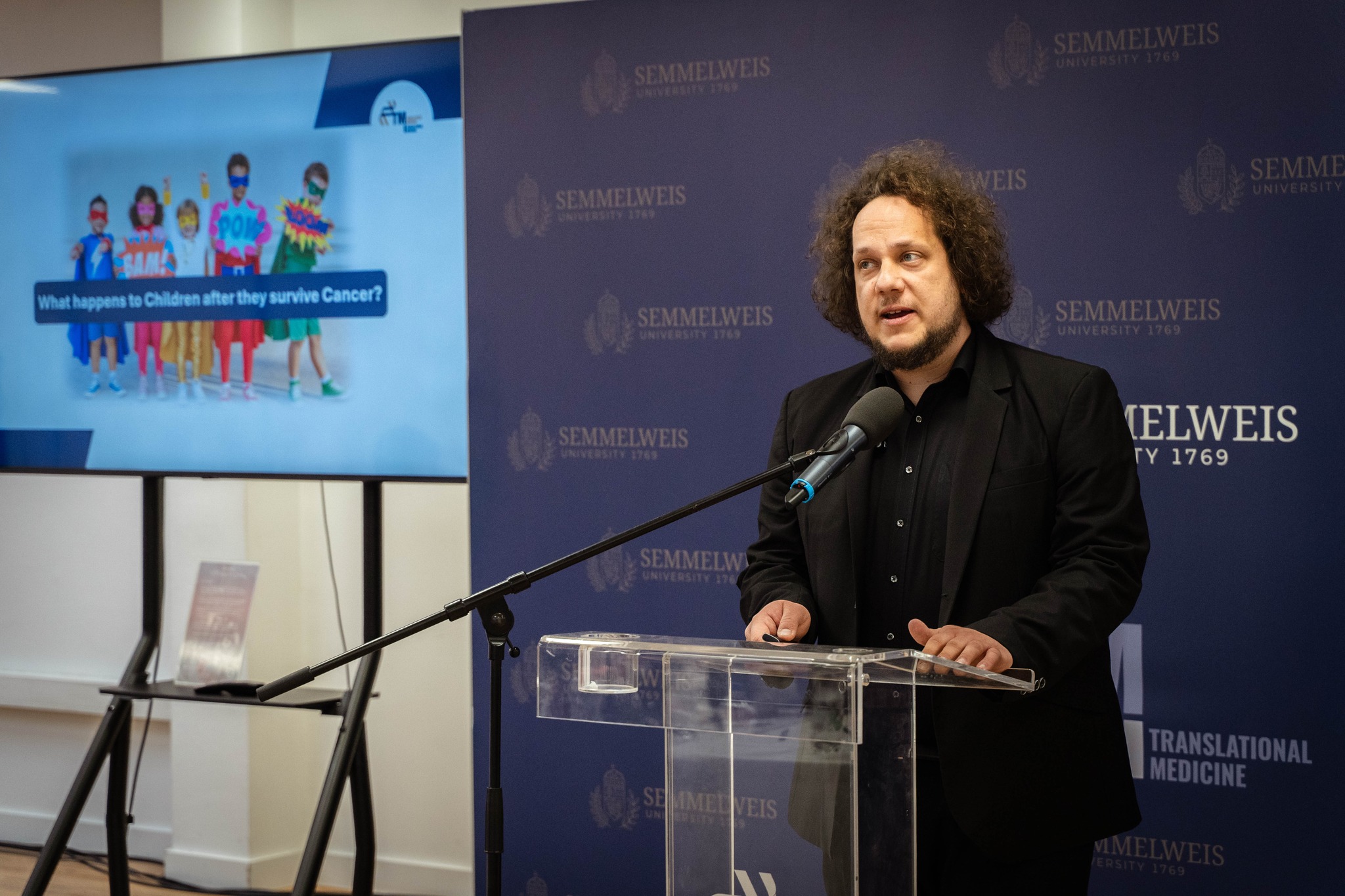
Urology, radiology, obstetrics and gynecology, gastroenterology, diabetology, pediatrics, psychiatry, and dentistry were the fields of research covered by the eighteen candidates who presented their theses at the Centre for Translational Medicine’s Ph.D. defense in April. The three-day event was opened with a presentation by Prof. Gábor Varga, Deputy Director of the Center for Translational Medicine. This was followed by outstanding talks given by the candidates: on the first day, six of them gave their presentations; on the second day, seven; and on the third day, five.
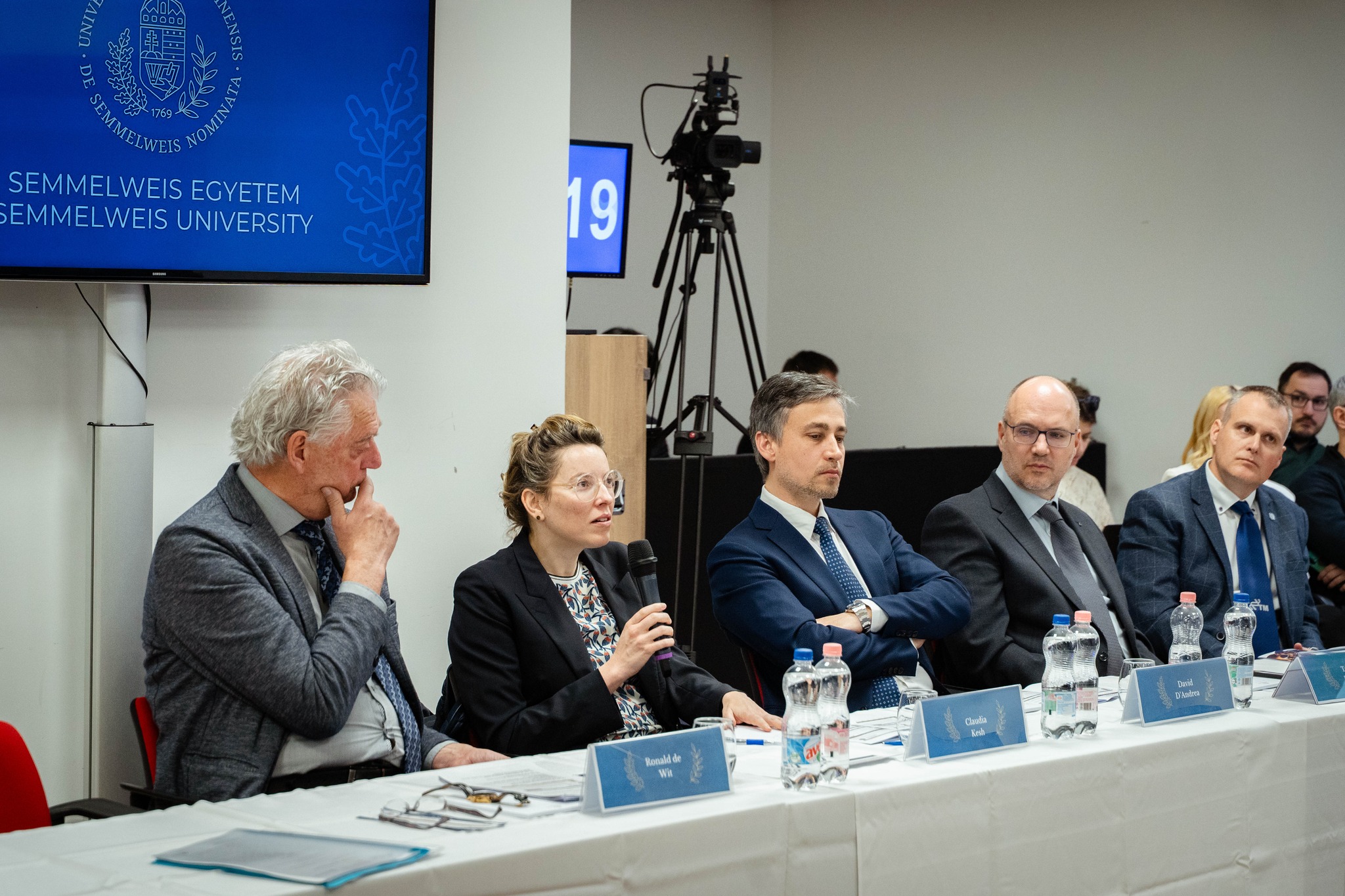
The research results they presented had already been published in prestigious journals in previous years: ten had at least one D1 paper, and three had both of their papers published in D1 journals. After sharing their findings, the candidates answered the questions of the committee. Its members included professors from universities in Hungary, as well as from the Netherlands, Austria, Germany, Romania, Italy, and France. Since they were satisfied with the candidates’ research findings and answers, they congratulated them at the end of the defense. In many cases, the students’ results were groundbreaking and could, for example, make the treatment of gastro-esophageal reflux disease, acute pancreatitis, and pediatric viral infections more effective. There was also research that could help childhood cancer survivors as adults or make prenatal screening more effective.
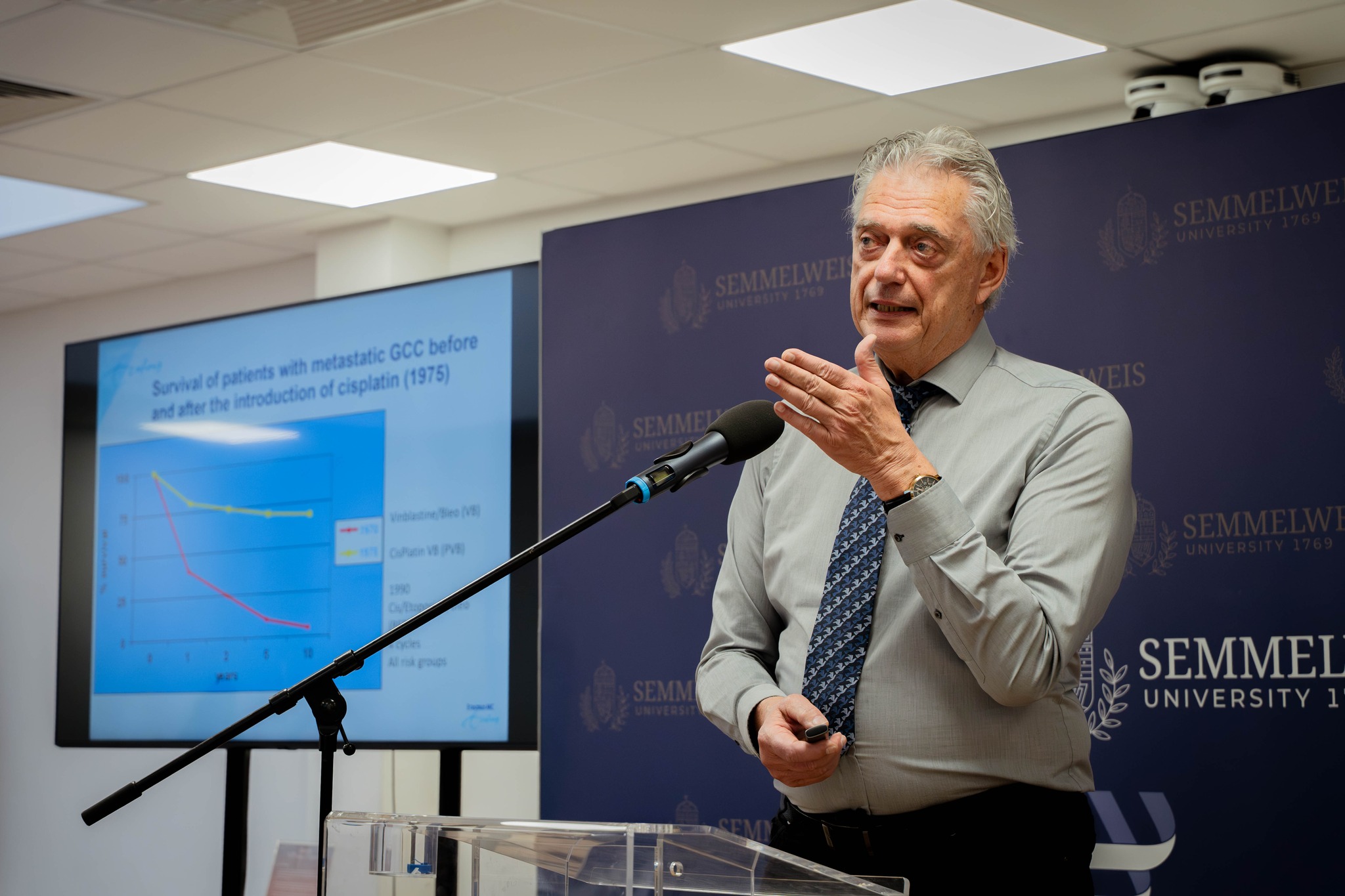
On the days of the Ph.D. defenses, renowned professors also gave lectures. The first one was given by Ronald de Wit, a genitourinary medical oncologist at Erasmus University Medical Center, Rotterdam. He also served as a member of the committee. As an elected member of the Academia Europaea, his prolific career has been defined by leading landmark clinical trials that have redefined global standards of care for prostate and bladder cancers. On the second day, Michael Trauner, who was also a member of the committee, gave a lecture. He is a distinguished member of the Academia Europaea and serves as Chair of Gastroenterology and Hepatology at the Medical University of Vienna. He is a master at translating complex physiological insights into tangible therapeutic breakthroughs for liver health. On the third day, Gábor Varga gave his lecture. He is the former Head and current Professor of the Department of Oral Biology, Semmelweis University. He is a dedicated educator and researcher, and his work bridges the gap between basic oral science and systemic clinical applications. He has played a pioneering role in research on dental stem cells and tissue regeneration.
(Emese Szabó)