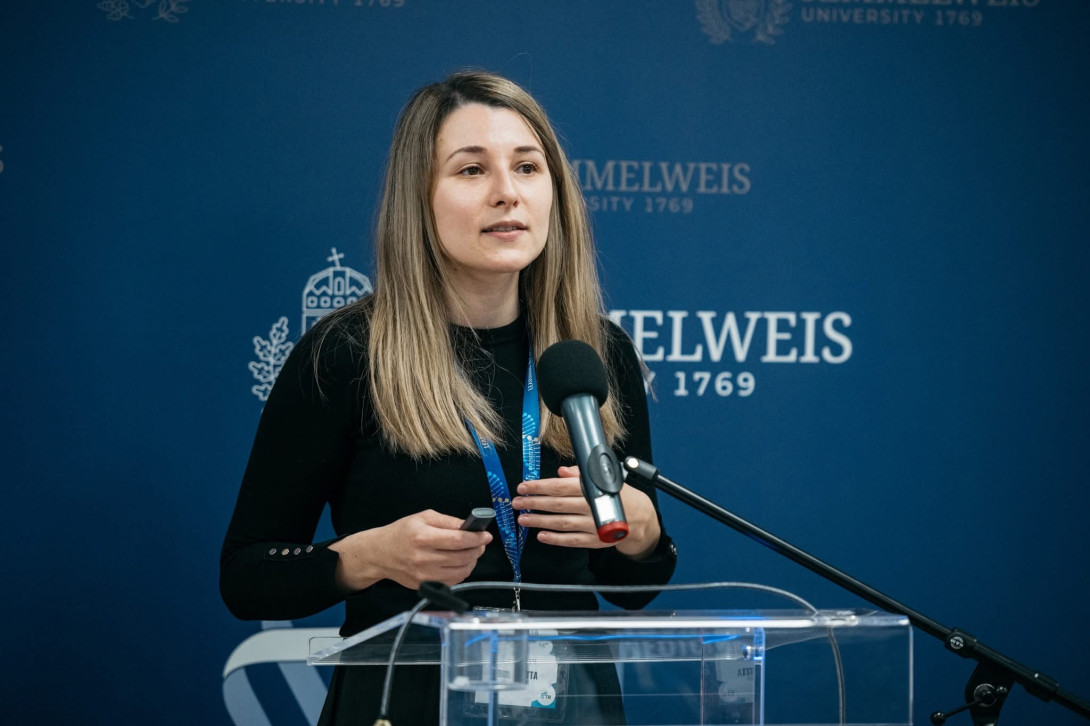
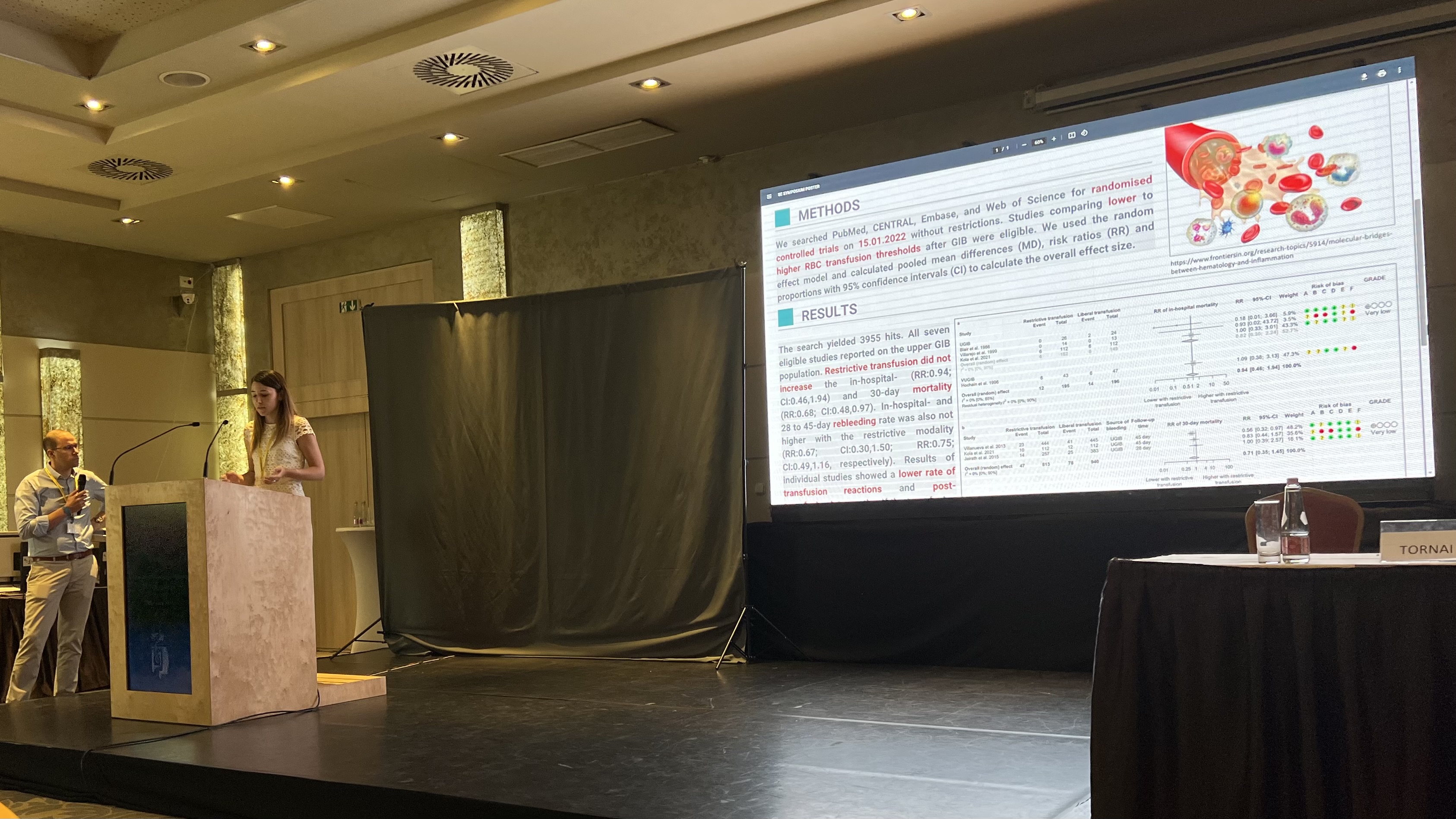
Brigi’s story is an excellent example of how an ambitious young physician can become a recognized researcher and supervisor within just a few years with the help of the right professional background and a supportive environment.
She was born in Miercurea Ciuc, and after graduating from the “George Emil Palade” University of Medicine, Pharmacy, Science and Technology of Târgu Mureș, she arrived in Hungary in 2020 to begin her studies in translational medicine. A decisive factor in her choice was a lecture held in Târgu Mureș in 2019, where the high-quality publications and the research model of the Institute of Translational Medicine at the University of Pécs—characterized by significant patient involvement—captured her interest.
Following the lecture, she had the opportunity to speak personally with Professor Péter Hegyi, director of the institute, who invited her to visit the institute in Pécs to learn more about the translational medicine program. Brigi accepted the opportunity and spent two months in Pécs. Influenced by the motivating and professionally inspiring environment, she made her final decision to join the program—one which, in her own words, not only defined her professional direction but her entire life, and launched her career in Hungary.
At the beginning of her scientific career, support from the MOL – New Europe Foundation provided a stable financial background: the funding covered almost all of her living expenses in Pécs, allowing her to fully focus on research. As a result, she was successfully admitted to the doctoral program at the University of Pécs and defended her PhD on March 10, 2026.
Over the past years, she has not only been present as a student but also as an active contributor to the community. After the institute relocated to Budapest, she joined the new center, where—following her first successful year—she began supporting the work of the next cohort as a scientific methodology advisor. In this role, she directly experienced the significant value of the professional “safety net” provided to students by the center’s strong methodological background and supportive community.
When Brigi began her studies, the program had only around 20 students. Even then, they received high-quality training; however, over the years the center has undergone dynamic development. The training portfolio has expanded significantly: in addition to research methodology courses, “soft skill” development opportunities essential for a scientific career are now also available, contributing to students’ professional growth.
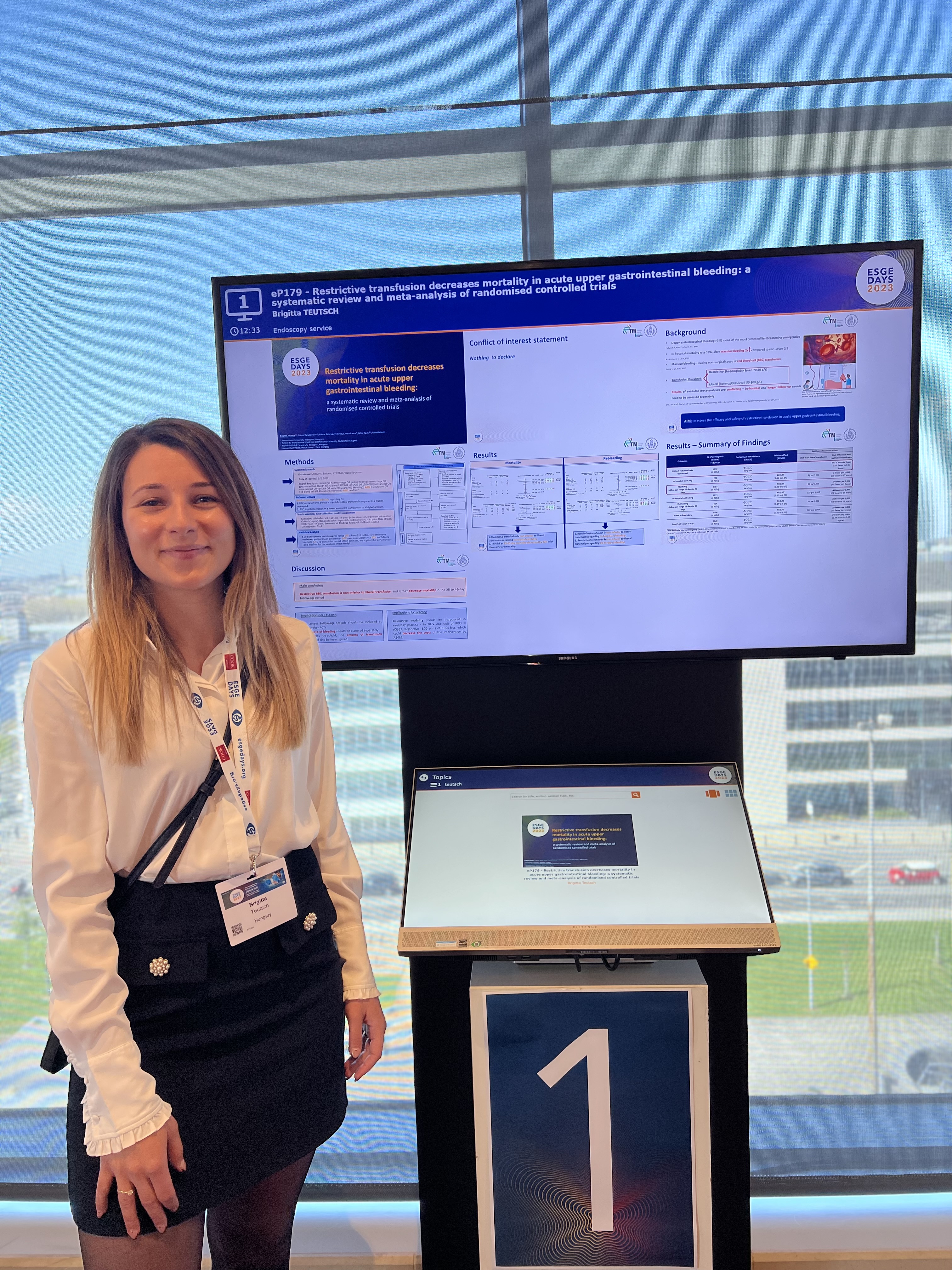
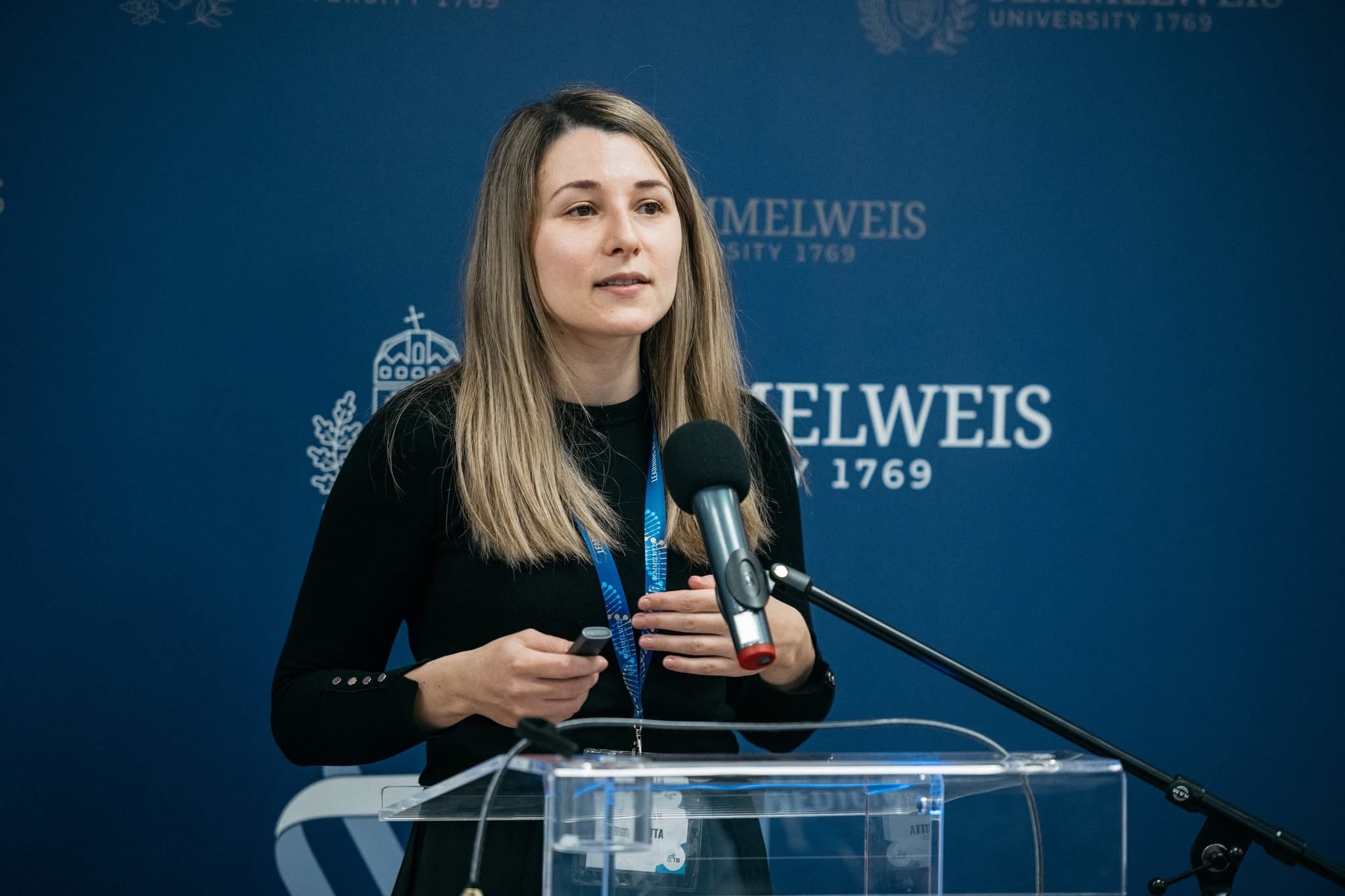
Currently, Brigi works as a radiology resident at the Medical Imaging Clinic of Semmelweis University, and also plays an active role as a supervisor and registry coordinator at the Translational Medicine Center of Semmelweis University. In her work, she is involved in the development of clinical trials and patient registries, and supervises the research activities of her own PhD students.
She considers regular group meetings and “progress reports” particularly important, as they not only help develop presentation skills but also provide space for continuous professional dialogue and feedback.
Based on her experience, Brigi strongly recommends joining the program to those who are committed to high-quality scientific work and wish to obtain a PhD in a shorter-than-average time. She emphasizes that the center offers a clear and accessible career path: it is open to anyone willing to invest energy in their professional development and aims to support healthcare practice with real, evidence-based results.