Bence Szabó is an excellent statistician who is always available and proactive in coordinating teams. He is ready to help with the projects and ensure everything runs smoothly, especially for projects
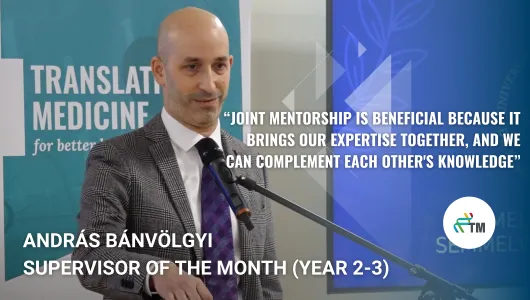
He is supervising seven second and third-year Ph.D. students, one of whom is about to have her second article published in a D1 journal. He typically guides his students with fellow supervisors
She is heavily involved in multiple tasks related to student affairs, and she consistently completes them on time. She has cooperative skills and a proactive attitude, which help her to carry out her
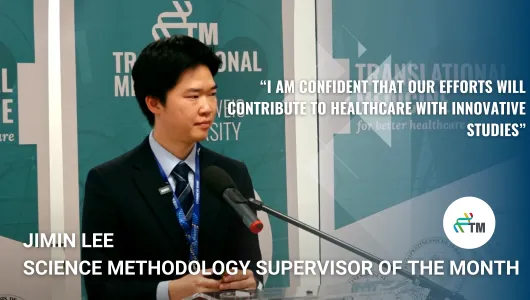
He joined CTM as a project student in his fifth year at medical school and started Ph.D. research a year later, even before he graduated. As a second-year Ph.D. student, he assists other students in
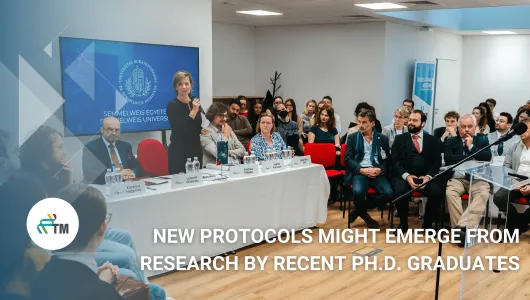
Four candidates from the Centre for Translational Medicine defended their Ph.D. theses in October. After they presented their cutting-edge research, which had previously been published in Q1 and D1
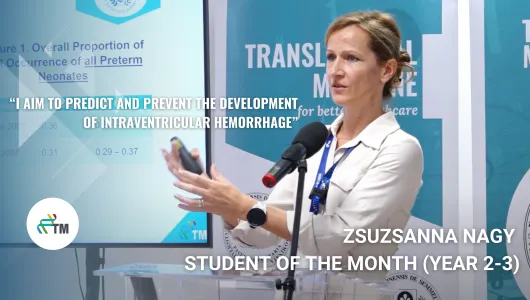
Intraventricular hemorrhage (IVH) is a frequent complication of prematurity, but its exact onset is unknown. All that is certain is that it typically occurs within the first three days of life. Dr
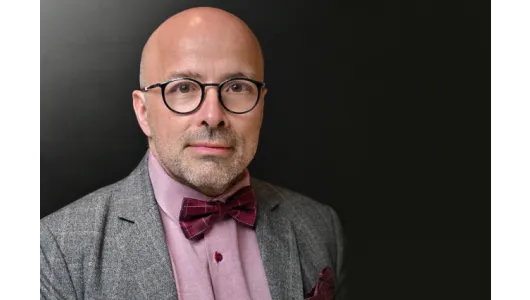
Örömmel tudatjuk veletek, hogy intézetünk igazgatóját, Hegyi Pétert választották meg az Academia Europaea Budapesti Tudásközpont új igazgatójának. Ennek alkalmából az MTA interjút is készített vele
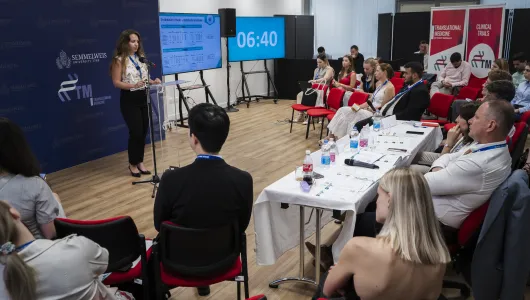
In the last week of August, more than eighty Ph.D students delivered presentations at the 12-month Progress Report of the Centre for Translational Medicine, and two Ph.D students took the Complex Exam